Bramcote Old Church Tower Trust

A concept UX case study exploring how information architecture and clarity can strengthen engagement for a heritage charity.
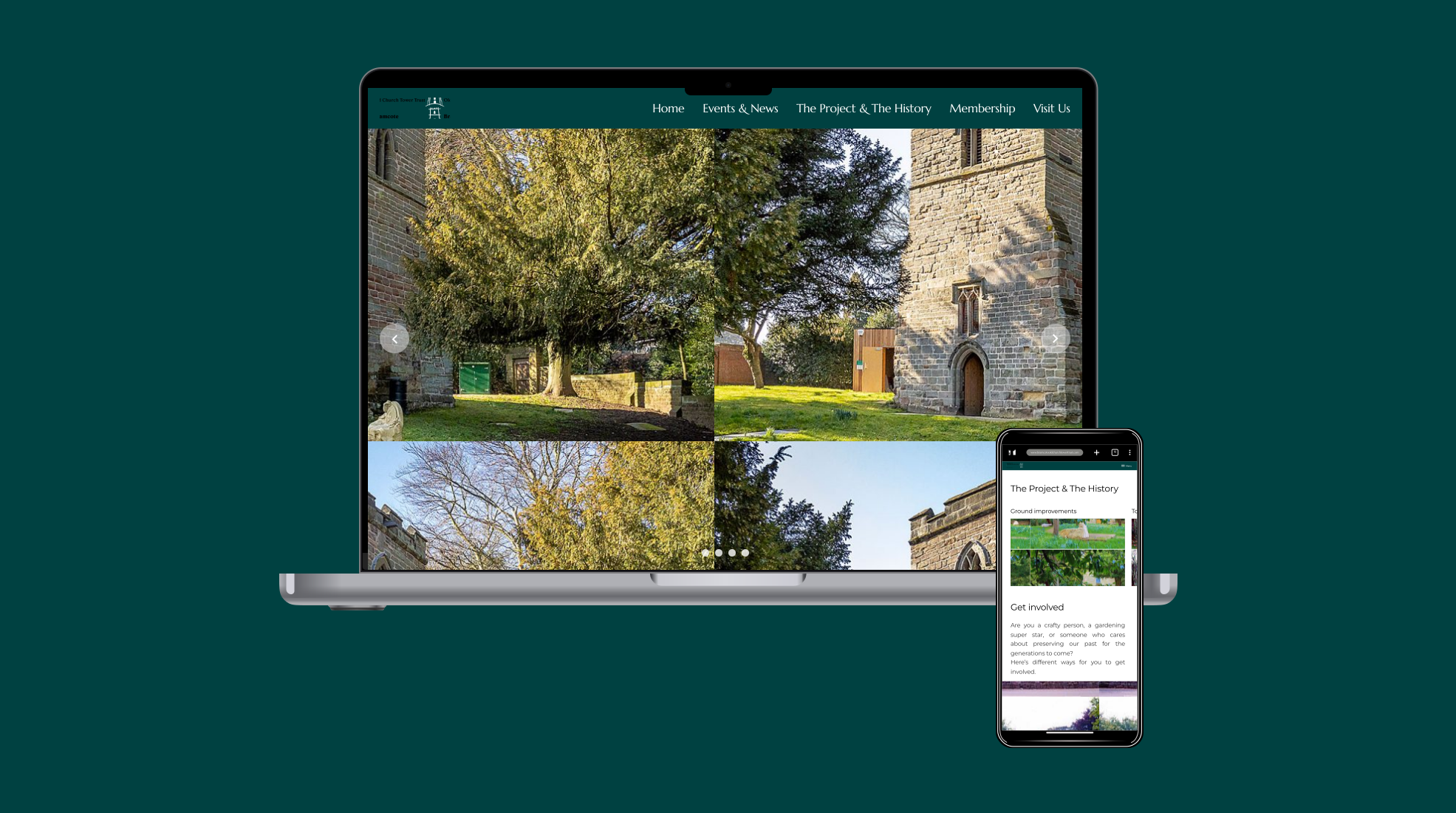
Illustration showing a mockup for the Bramcote Old Church Tower Trust website
Role

Product designer (UX/UI) — end-to-end

Scope

Benchmarking, usability testing, synthesis, journey mapping, wireframes, prototyping

Project type

Concept redesign (heritage trust website)

Summary

This project sits at the intersection of mission, stakeholder priorities, and visitor expectations. The challenge wasn’t only visual polish — it was strategic realignment.

I redesigned the Trust’s website to reduce early confusion for first-time visitors while preserving what stakeholders cared about (events, engagement, and community momentum). The result is a clearer information hierarchy that helps people plan a visit confidently — and only then invites deeper involvement like volunteering or donating.

Skip to the full case study ↓

What changed
  • Prioritised visit-critical information (hours, access, directions) above the fold

  • Introduced a dedicated History page to strengthen digital storytelling

  • Rebalanced event visibility without overwhelming first-time visitors

  • Structured content to reduce cognitive friction and increase clarity

Impact & outcomes

The redesign clarified the website’s purpose and strengthened alignment between organisational goals and visitor expectations — without sacrificing either.

  • Reduced early-stage confusion during visit planning

  • Increased informational depth without increasing complexity

  • Preserved stakeholder priorities while improving visitor confidence

TL;DR
  • Identified misalignment between stakeholder goals and visitor needs

  • Restructured information hierarchy to support early clarity

  • Balanced persuasion with reassurance

  • Designed for trust before engagement

What I’d do next

With more time, I’d validate the redesign through moderated testing and measure improvement across the key “visit planning” tasks that determine whether someone stays engaged.

  • Test first-click behaviour on visit-critical information

  • Evaluate donation and volunteer conversion patterns

  • Explore content modularisation for long-term scalability

  • Run accessibility audits to strengthen inclusivity

What I learned

The most valuable insight was recognising that friction wasn’t a visual issue — it was a structural one. Once reframed as an alignment challenge between stakeholders and visitors, the solution became architectural rather than cosmetic.

This project reinforced that information hierarchy is not neutral; it’s a negotiation tool. The order in which content appears shapes trust, confidence, and participation.

Reflection

Looking back, the biggest lesson was learning how to merge different priorities without turning the experience into a compromise. Stakeholders want visibility for events and the mission; visitors want the basics first. The job is sequencing: give stakeholders what they need in presence, while giving users what they need in structure.

Effective design isn’t about making everyone equally loud — it’s about making the right information visible at the right moment, so people feel respected and in control.

Full case study

NDA-safe deep dive. Below is a detailed walkthrough of the design explorations, iterations, and UI solutions developed throughout the project.

Understanding the user

To familiarise myself with the context of historical and heritage sites in the UK, I ran competitive benchmarking, reviewing how other trusts and charities structure their content, present events, and approach donations and volunteering.

I looked at what they prioritised above the fold, how quickly practical information could be found, and how storytelling was used to build credibility and engagement.

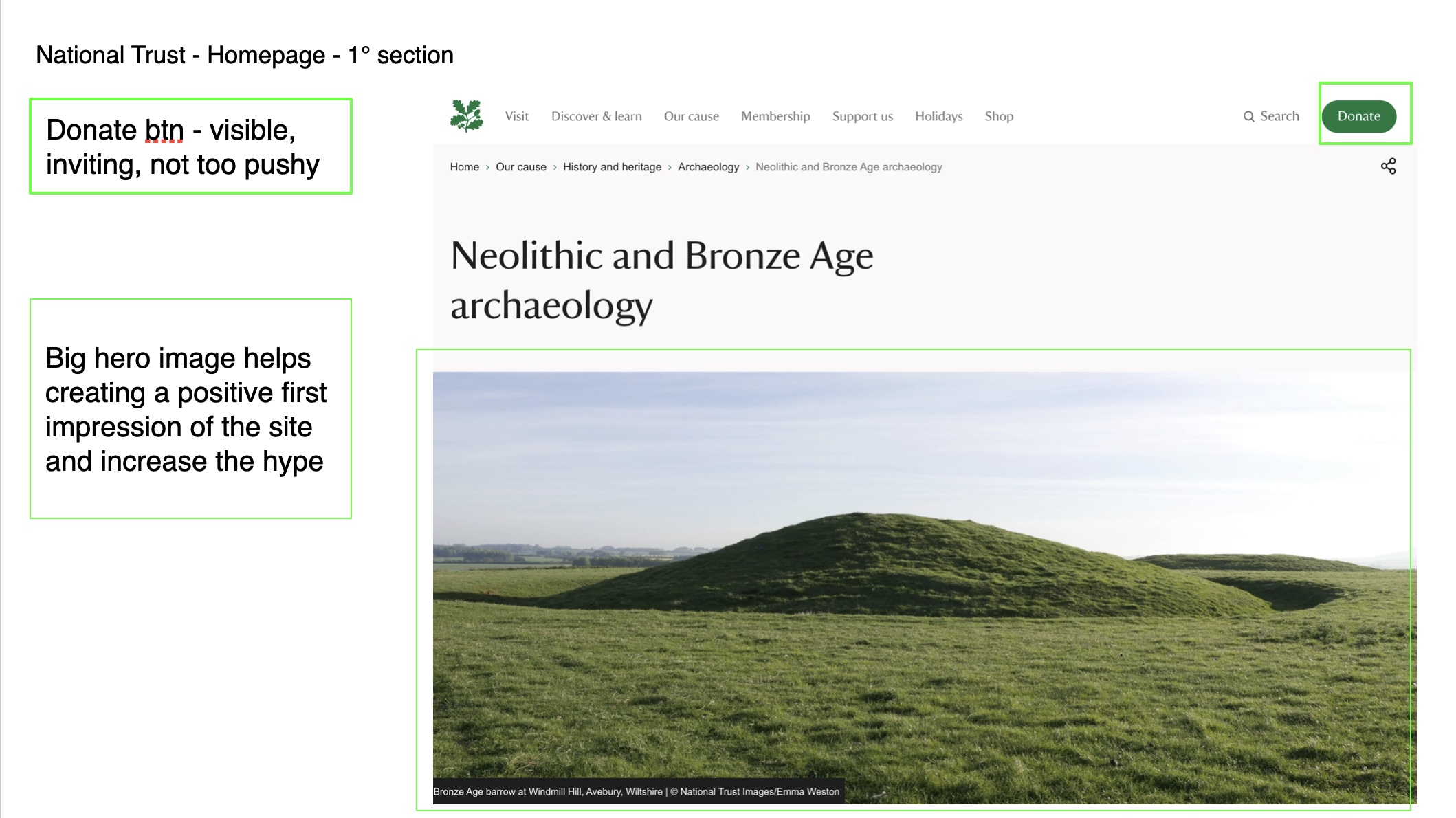
National Trust — Homepage

National Trust homepage used for competitive benchmarking

Norwich Historic Trust — Homepage

Norwich Historic Trust homepage used for competitive benchmarking

Hungate — Homepage

Hungate homepage used for competitive benchmarking

St John’s Churches — Homepage

St John's Churches homepage used for competitive benchmarking

After understanding the space, I ran a series of usability tests to capture how people navigated the Trust’s existing site and what they expected to find. In the scenario, participants were planning a day visit and used the website to gather practical information beforehand.

Insight definition: the user & their goals

The results pointed to a clear mismatch between what the Trust prioritised and what visitors needed first. Stakeholders wanted to spotlight events; visitors needed the basics before committing to anything.

  • Participants immediately searched for practical details (opening hours, directions, accessibility), but this information was buried low on the page, causing early frustration.

  • Visitors wanted historical context before visiting, but the website offered very little storytelling online (most context lived only onsite).

  • People were open to events, volunteering, and donations — but only after they felt informed and reassured.

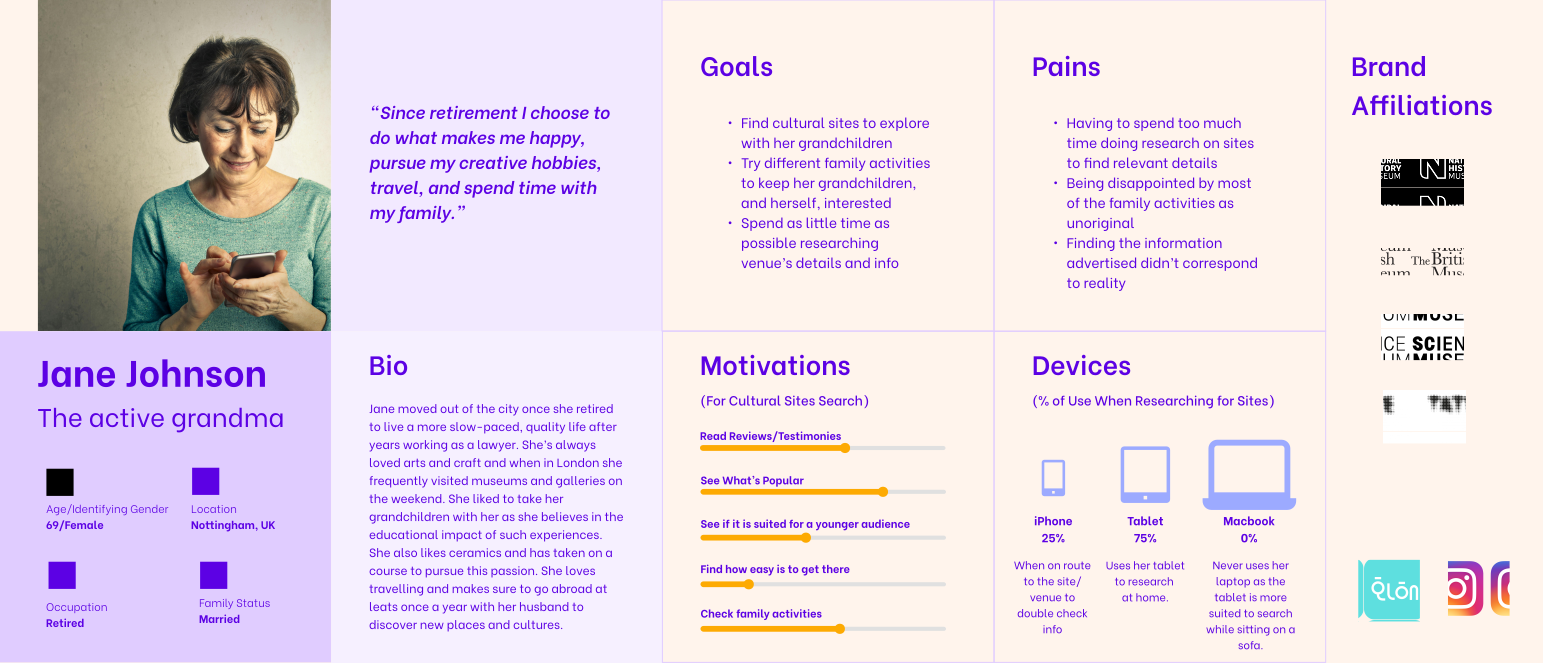
Visitor archetype

Based on testing and synthesis, I identified a primary visitor archetype: a curious, culturally engaged person planning a short visit. They value heritage, but prioritise practical clarity before committing time or money.

  • Wants quick access to hours, directions, and accessibility details

  • Seeks context on why the site matters before visiting

  • Is open to volunteering/donating — after feeling informed and reassured

Visitor archetype for the heritage trust website
Design

The redesign focused on rebalancing the information hierarchy. I prioritised practical visit information above the fold to reduce friction during early decision-making, while preserving mission messaging and event visibility further down the page.

By grouping related content and clarifying navigation, the homepage supports both immediate planning and deeper exploration.

Design principles
  • Clarity before persuasion

  • Information before engagement

  • Trust as a prerequisite for participation

Selected UI outcomes
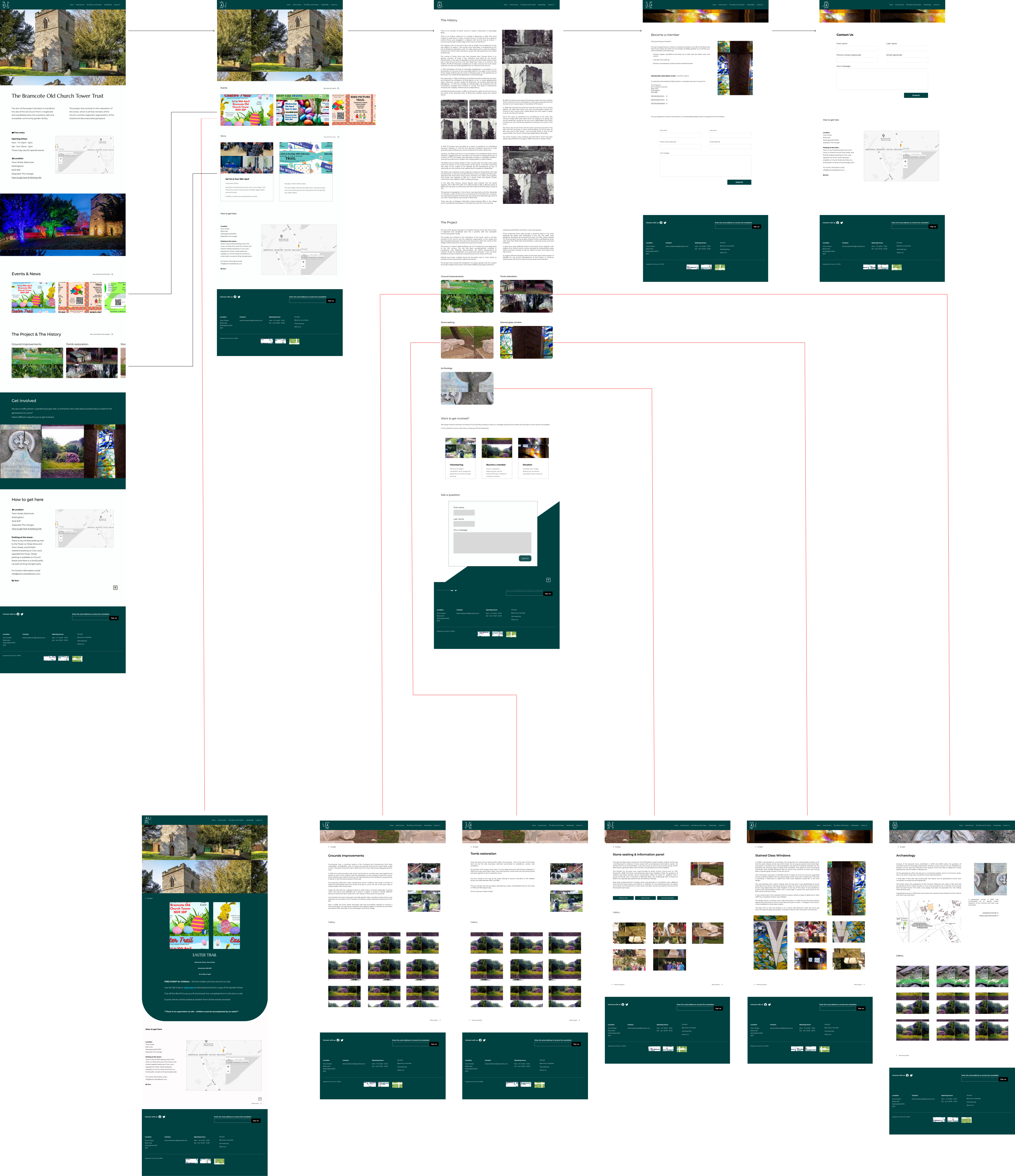
Screens showing updated layouts for the Bramcote Trust website redesign

Key screens: homepage hierarchy refresh and clearer pathways to visit info, history, and events.

New History page

Although the Trust provided rich historical information onsite, the website lacked contextual storytelling. I introduced a dedicated History page to make the tower’s heritage accessible digitally, reinforcing credibility and deepening engagement before a physical visit.

The page balances narrative content with visual structure, ensuring historical depth doesn’t overwhelm readability.

prototype
Back to the top