Designing myself — an iterative process
of curiosity, empathy, and systems.
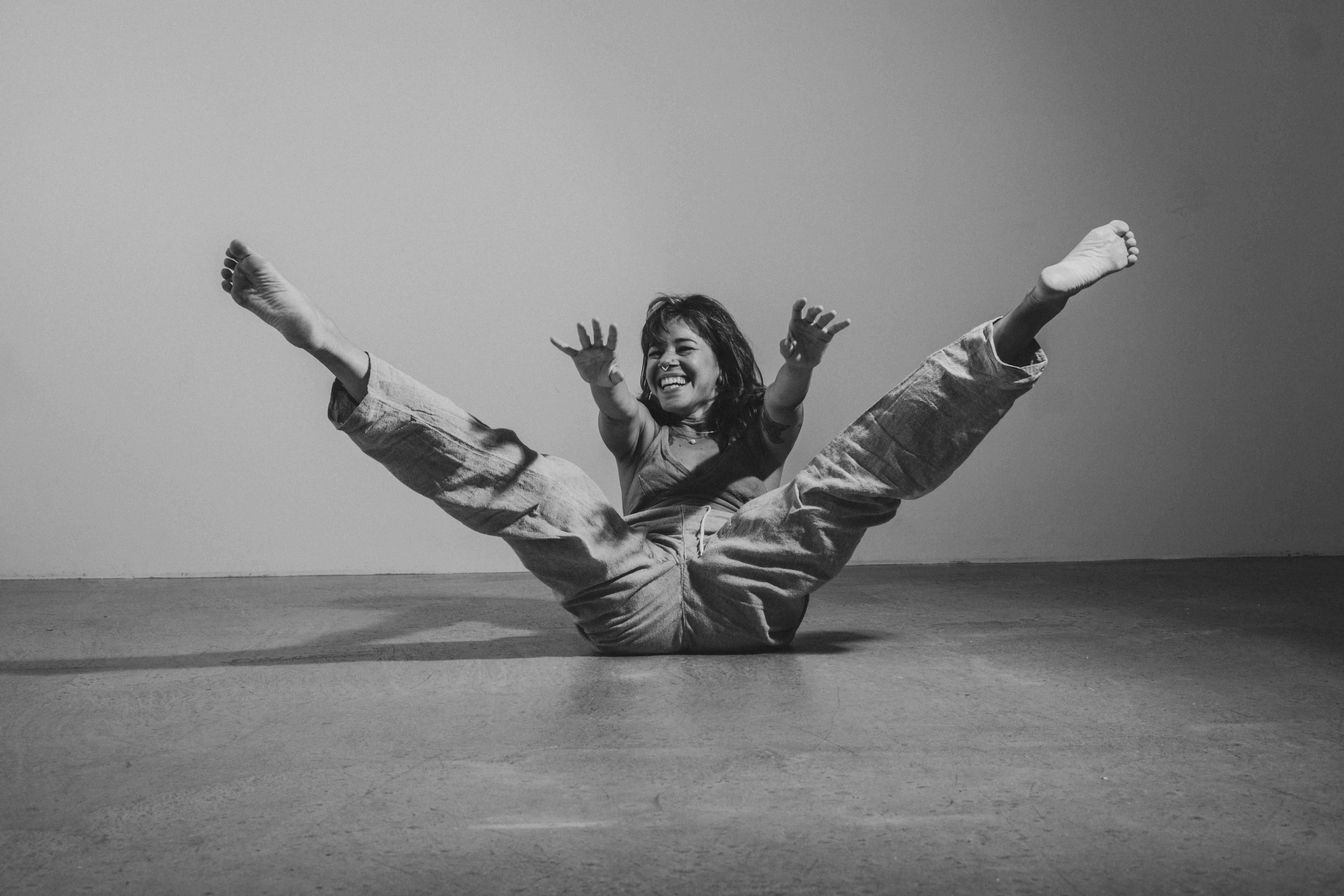
I’m a product designer focused on the human–machine relationship — and I also teach yoga.
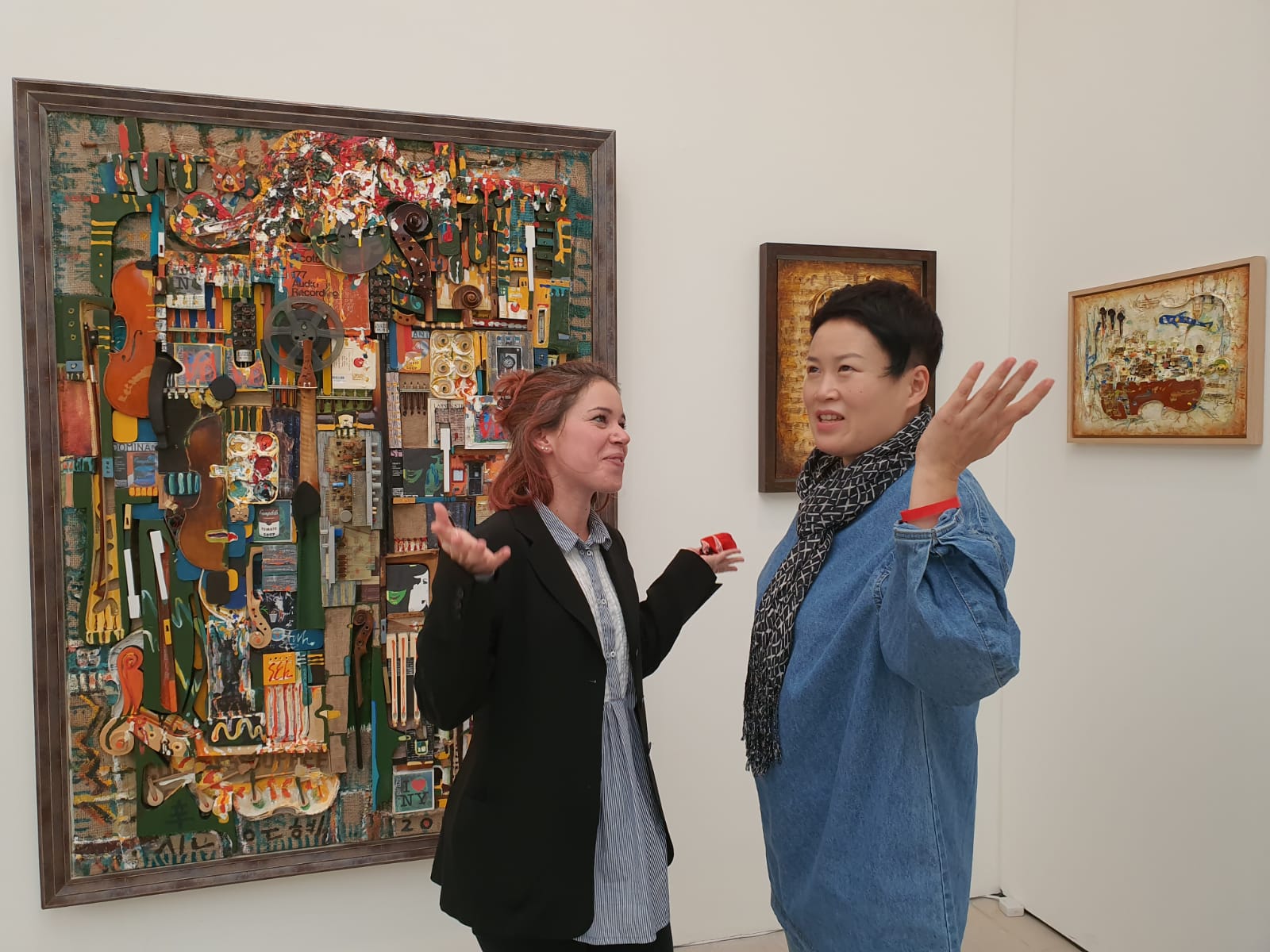
But I didn’t start here. For many years, I worked in the art industry alongside artists and collectors.
My work sits at the intersection of behaviour, systems, and trust.
I was part of small, international teams and took on a wide range of responsibilities — from sales and registrar work to acting as a liaison between collectors, artists, shippers, and clients.
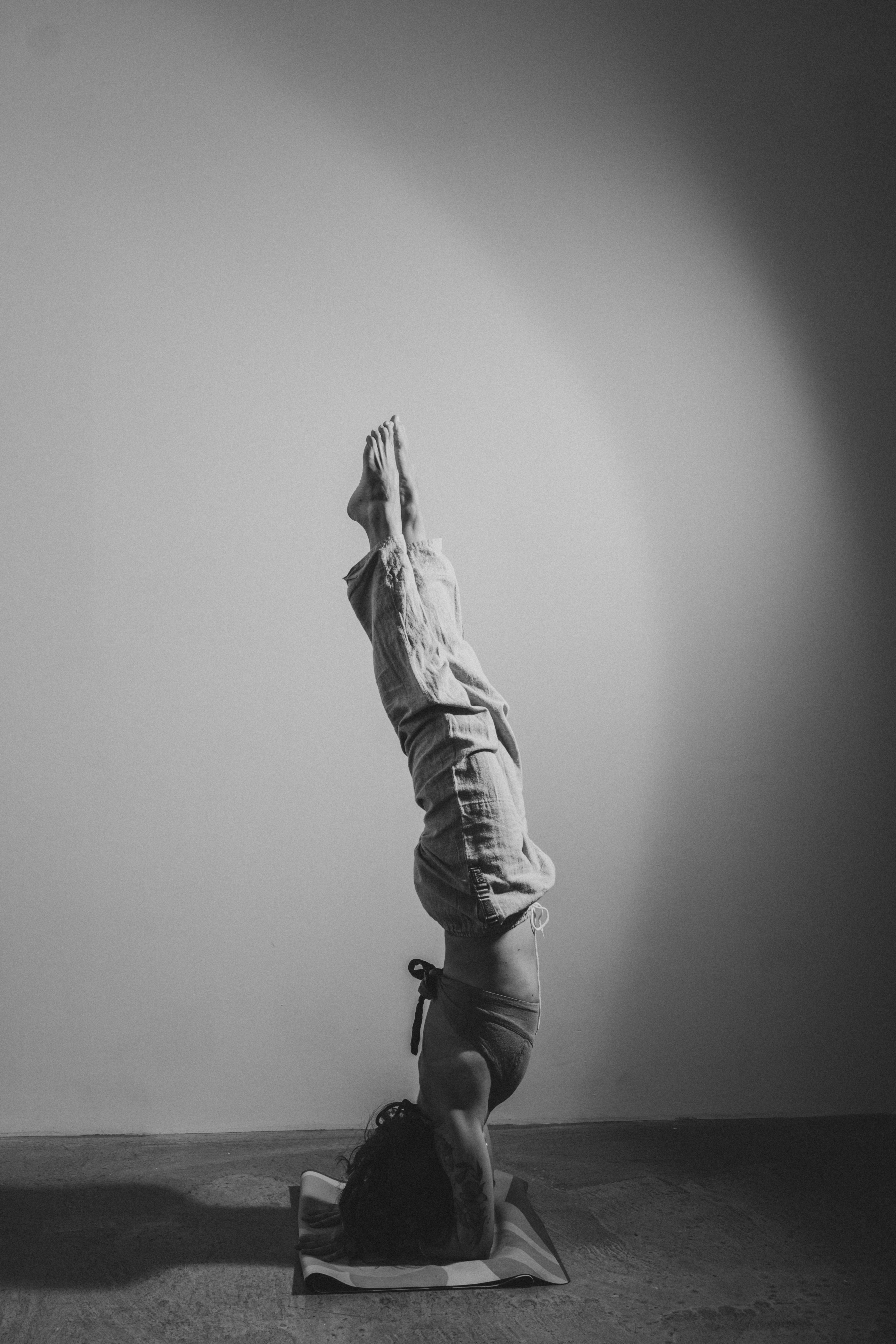
A few years ago, I returned to yoga after an unsuccessful first attempt earlier in life — and this time, it was the right moment.
I enjoyed it so much that I decided to take the leap and complete my training to become a certified yoga teacher.
Both worlds — the art industry and yoga — eventually converged in design. They taught me how to observe behaviour, work within complex systems, and communicate across disciplines — creating environments where people feel supported while navigating uncertainty.
What I’ve learned from my experiences
Holding the space
Being outside of your comfort zone — whether in a yoga class or when learning to use a new device — can trigger very different reactions.
From standing on both sides, I’ve learned the importance of compassion toward oneself
Building empathy
Both yoga and technology often carry a similar stigma: they can appear unreachable, too complex, or something you must already be “good at” before you begin.
In both roles — designer and yoga practitioner — I see my job as helping people feel that there is no single correct way to move, learn, or explore.
My goal is to shift perceptions and help people trust their intuition, instead of feeling judged by rules or expectations.
Approaching disabilities
Yoga relies heavily on physical ability. When an injury happens, even small limitations change how I perceive the world. Actions that once felt effortless suddenly require awareness, adaptation, and patience.
While this can feel discouraging at first, it also creates empathy. It pushes me to consider the lived experiences of people with temporary, situational, or permanent disabilities — and how design can meaningfully support them — not as an edge case, but as a core responsibility.
On a personal level, my sister lives with a permanent hearing disability. Growing up alongside her and watching her navigate the world in ways that work best for her deeply shaped my desire to design experiences that include, adapt, and empower people.
Appreciating diversity
I’m still not sure whether the belief that there is no right or wrong way of doing things came from yoga, UX, or coding. Most likely, all three reinforced the same lesson: people move, think, and learn differently, and good systems should make space for that.
Embracing this plurality brings a sense of lightness. It encourages creativity, experimentation, and forward-thinking. It reduces friction between “how things should be done” and “how they can be done,” relieving pressure and fostering both intellectual and physical openness.
To conclude, I’d like to share one of my favourite quotes from Margaret Mead. It continues to shape the way I observe, understand, and appreciate both people and UX —
“What people say, what people do, and what they say they do are entirely different things.”
— Margaret Mead